

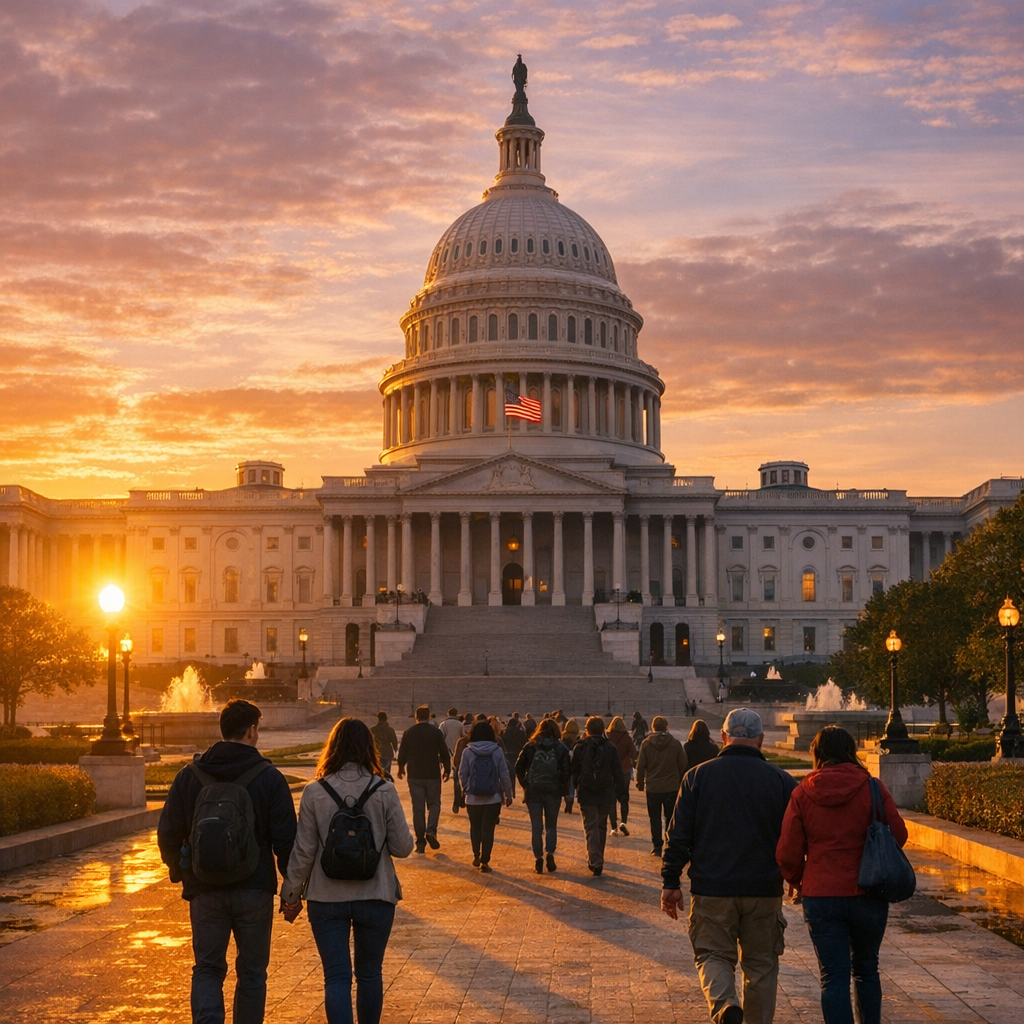
In cities like Honolulu, where residents feel both global and deeply local pressures, two issues have emerged as urgent priorities across the U.S.: inflation (especially on essentials like food, housing and healthcare) and the high cost of medical care itself. These economic concerns aren’t just financial—they’re shaping how voters view political leaders, upcoming elections and government priorities.
Inflation: More than Rising Numbers
Though inflation has cooled somewhat since its post-pandemic peak, prices remain elevated for essentials. Energy costs—especially gas prices influenced by global conflicts—continue to strain household budgets. Meanwhile, increases in housing and food costs have outpaced wage growth for many Americans. These pressures are reflected in national sentiment: consumer confidence is sliding, even as some inflation rates ease. The issue is no longer abstract—it’s a reality in every budget, every paycheck.
Healthcare: A Breakdown in Trust and Access
The cost of healthcare has become one of the most urgent problems Americans want the government to address. For many, rising premiums, surprise medical bills and the affordability of prescriptions are no longer mere policy debates—they’re personal crises. This trouble hits rural and urban families alike, with many juggling trade-offs between seeing doctors and making ends meet.
How Washington Is Responding—and Where It’s Falling Short
In Congress, Republicans and Democrats alike have proposed legislation aimed at easing these economic pressures. Plans include expanding price-caps on certain drugs, offering federal support for housing, boosting aid to farmers burdened by rising input costs, and looking at tax relief measures. But partisanship, budget constraints, and competing priorities often slow progress. It’s uncertain which proposals will survive legislative obstacles—and which will reach the people who need help most.
Why Hawaiian Voters Should Take Notice
Here in Hawai‘i, inflation has often hit harder than the national average—housing and transportation costs are already high, and many local households feel squeezed. Rising healthcare costs add strain in communities where access to clinics and specialists is hard won. As national policymakers wrestle with these issues, solutions that work on the mainland may look different when measured against Hawai‘i’s unique economic landscape.
Bottom line: Inflation and healthcare aren’t going away anytime soon—and they may well decide control of Congress in upcoming elections. For voters, staying informed and demanding specific action from elected officials may be the most powerful tool we have.