

As residents of Hawaiʻi, we are acutely aware of the delicate balance between our islands’ natural beauty and the forces of nature. Recent global climate events have underscored the vulnerability of our environment and the need for proactive measures to protect our home.
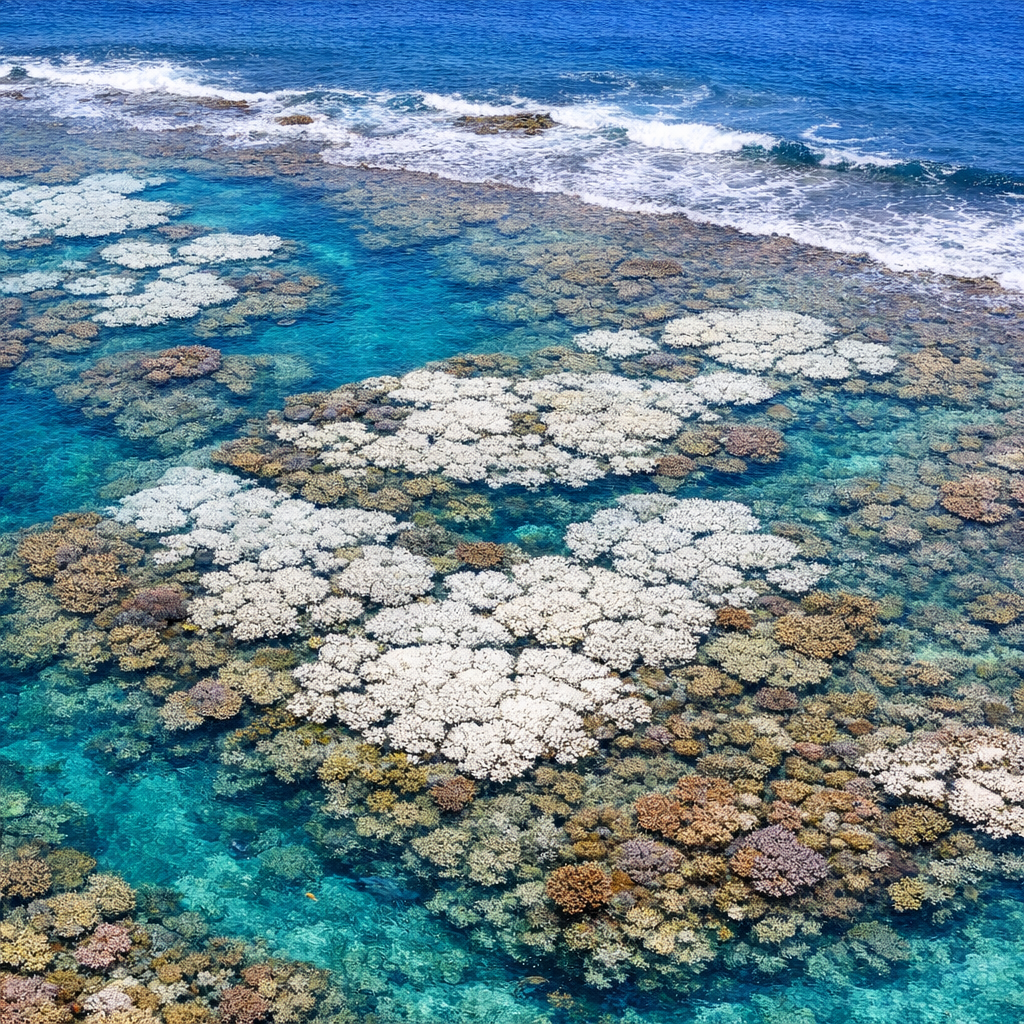
Global Coral Bleaching and Hawaiʻi’s Reefs
The ongoing 2023–2025 global coral bleaching event has been the most extensive in recorded history, affecting approximately 84% of the world’s coral reef ecosystems. This phenomenon, driven by elevated ocean temperatures exacerbated by human-induced climate change, has not spared Hawaiʻi’s reefs. Our local marine ecosystems have experienced significant stress, leading to widespread coral bleaching and increased susceptibility to disease. The loss of healthy coral reefs threatens marine biodiversity and the livelihoods of communities dependent on fishing and tourism.
Rising Sea Levels and Coastal Erosion
Sea level rise, coupled with high water levels caused by tropical and extra-tropical storms, is incrementally increasing coastal flooding and erosion in Hawaiʻi. These changes pose risks to coastal ecosystems, infrastructure, and agriculture, and negatively affect tourism. The mounting threats to food and water security, infrastructure, and public health and safety are expected to lead to increasing human migration from low to high elevation areas, making it increasingly difficult for Pacific Islanders to sustain the region’s many unique customs, beliefs, and languages.
Economic Impacts of Climate Change
Beyond environmental concerns, climate change has tangible economic repercussions for Hawaiʻi. The University of Hawaiʻi Economic Research Organization (UHERO) forecasts a mild recession in the islands over the next year, with the weakening U.S. economy threatening a potentially deeper downturn. Visitor numbers are down, job growth has stalled, and housing activity remains weak. Inflation is expected to rise over the next year as tariffs feed through to consumer prices. Construction remains the only major source of strength, supported by large federal contracts and other public projects.
Community Resilience and Adaptation
In response to these challenges, Hawaiʻi’s communities have demonstrated remarkable resilience. Grassroots organizations and local leaders are advocating for Indigenous-led recovery and restoration efforts, emphasizing the importance of self-determination in rebuilding and adapting to climate change. The Nation of Hawaiʻi has called for international investigations into the human rights and health impacts of recent environmental disasters, highlighting the need for global support and recognition of Indigenous rights.
As we navigate the complexities of a changing climate, it is imperative that we remain informed and engaged. By understanding the global events that impact our islands and supporting community-driven initiatives, we can work towards a sustainable and resilient future for Hawaiʻi.