

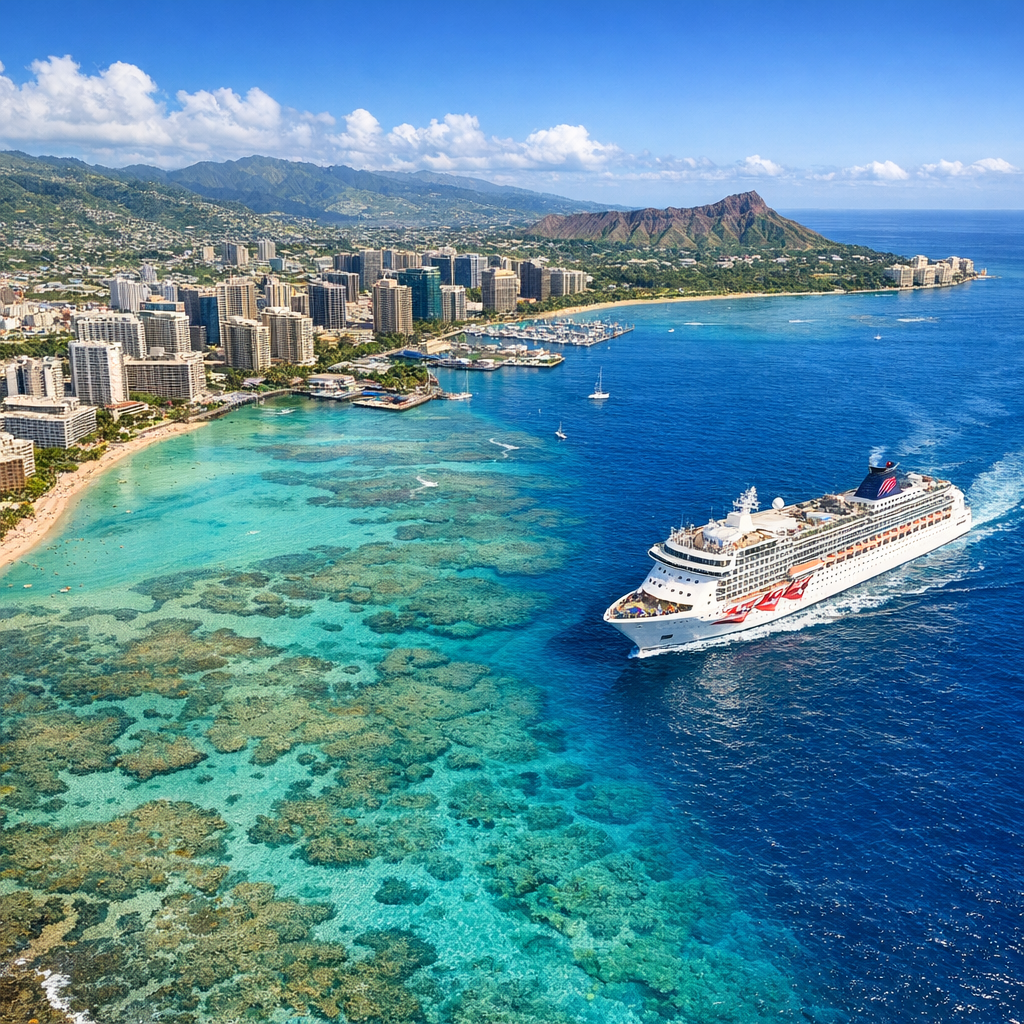
As an island state, Hawaiʻi is uniquely positioned at the crossroads of global events, with international developments often having direct and profound impacts on our local environment, economy, and way of life. Understanding these connections is essential for fostering resilience and informed decision-making within our communities.
Climate Change and Environmental Challenges
One of the most pressing global issues affecting Hawaiʻi is climate change. The ongoing 2023–2025 global coral bleaching event has impacted approximately 84% of the world’s coral reef ecosystems, including those surrounding our islands. Elevated ocean temperatures, exacerbated by anthropogenic climate change, have led to widespread coral bleaching, threatening marine biodiversity and the livelihoods of those dependent on healthy reef systems.
Additionally, Hawaiʻi has experienced a series of natural disasters linked to climate change. In March 2026, a Kona Low system brought historic flooding to every Hawaiian island, causing extensive infrastructure damage, power outages affecting over 130,000 customers, and significant economic losses, particularly in the tourism sector. This event underscored the vulnerability of our islands to extreme weather patterns intensified by global climate shifts.
Economic Impacts of Global Trade Policies
Global economic policies and trade dynamics also have tangible effects on Hawaiʻi’s economy. Recent U.S. trade policies have impacted key international visitor markets, leading to a decline in tourism—a vital sector for our state. The University of Hawaiʻi Economic Research Organization (UHERO) forecasted a mild recession for Hawaiʻi, citing decreased visitor numbers, stalled job growth, and rising inflation as contributing factors. The decline in international visitors, particularly from Canada and Japan, has left Hawaiʻi more reliant on the continental U.S. market, which is itself vulnerable to economic downturns.
Legislative Responses to Global Challenges
In response to these global challenges, Hawaiʻi has taken proactive legislative measures. In May 2025, Governor Josh Green signed legislation introducing a new tourist tax aimed at addressing the impacts of climate change, such as eroding shorelines and wildfires. This levy, which includes an 11% tax on cruise ship passengers’ gross fares, is expected to generate nearly $100 million annually to fund climate resilience initiatives. Despite legal challenges, a federal judge upheld the tax, allowing it to take effect at the start of 2026.
Community Resilience and Indigenous Leadership
Amid these challenges, the resilience and leadership of Hawaiʻi’s Indigenous communities have been pivotal. The Nation of Hawaiʻi has actively engaged with international bodies, such as the United Nations Permanent Forum on Indigenous Issues, to advocate for Indigenous-led recovery and restoration efforts, particularly in the aftermath of disasters like the Lahaina fires. Their calls for international investigations and recognition of Indigenous rights highlight the importance of self-determination and cultural preservation in building a sustainable future.
In conclusion, Hawaiʻi’s experiences underscore the interconnectedness of global events and local realities. By staying informed and proactive, our communities can navigate these challenges, leveraging both traditional knowledge and innovative solutions to foster a resilient and thriving Hawaiʻi.